
Logga in för att hantera ditt konto
Onlineläkare och apotek allt på samma ställe
- Privat och konfidentiell tjänst
- Genuina läkemedel
- Heltäckande tjänst
- Leverans nästa dag
Lider du av erektionsproblem? Vårt medicinska utbud kan försäkra att du är redo då tillfället kommer. Våra behandlingar inkluderar
Priser från 425.00 kr Visa behandlingarBehöver du beställa preventivmedel? Oroa dig inte, vi har ett stort utbud av preventivmedel för att försäkra oss om att du hittar det som fungerar bäst för dig. Vi erbjuder
Priser från 461.00 kr Visa behandlingarÄr du rädd att du kanske har smittats av en könssjukdom?Undersök dina symptom och behandlas här för att undvika långvariga komplikationer. Våra behandlingar inkluderar
Priser från 380.00 kr Visa behandlingarVåra internläkare
Din hälsa och ditt välmående är av högsta prioritet och vi har vidtagit omfattande åtgärder för att säkerhetsställa att vi kan ge enastående vård till alla våra patienter. Våra läkare består av fullt legitimerade Brittiska läkare och apotekare samt erfarna medicinska rådgivare, som är registerade hos General Medical Council (GMC). All medicinsk personal övervakas av Care Quality Commission (CQC) och kombinerar år av erfarenhet med expertis inom ett stort utbud av medicinska specialiteter.
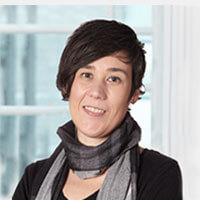
- Dr. Caroline Fontana
- Förskrivande läkare
- Ordem dos Médicos Reg: 71567

- Dr. Pedro Moreira
- Förskrivande läkare
- Ordem dos Médicos Reg: 55452

- Dr. Wilson Ferreira Brito
- Förskrivande läkare
- Ordem dos Médicos Reg: 74432
Våra fördelar
-
- Gratis expressleverans
- Få dina behandlingar, diskret förpackade, levererade direkt till din valda destination.
-
- En fullständigt konfidentiell tjänst
- Vår tjänst är diskret under hela processen och vi har inga gömda avgifter.
-
- Legitimerade läkare samt apotek.
- Vi är registrerade hos och godkända av CQC (Care Quality Commission), våra läkare är registrerade hos GMC (General Medical Council), och alla våra läkemedel skickas från ett apotek i Storbritannien.
-
- Vänlig kundsupport
- Vår kundsupport, som är baserat i Storbritannien, hjälper gärna till om du har några frågor eller funderingar. Vi finns tillgängliga via telefon, livechatt och e-post.